Poor attic ventilation is one of the most common causes of roof damage in Minnesota homes. Without proper airflow, heat and moisture become trapped, leading to ice dams, mold growth, higher energy bills, and a shorter roof lifespan.
At American Eagle Home Improvement, we’ve inspected and improved attic ventilation systems throughout St. Paul and the Minneapolis–St. Paul metro for over 60 years. This guide explains how attic ventilation works, the problems to watch for, and when it’s time to schedule a professional inspection.
What Is Attic Ventilation and Why Does It Fail?
An attic ventilation system includes intake and exhaust vents that move outside air through your attic space. Outside air enters low through intake vents, rises as it warms, and exits high through exhaust vents.
This continuous airflow helps regulate attic temperatures and removes excess moisture. However, when roof venting is blocked or missing, heat and moisture will accumulate.
The Intake-Exhaust Balance Explained
Proper ventilation in attic spaces depends on balancing intake and exhaust vents. Most Minnesota homes follow the International Residential Code’s 1:150 ventilation guideline, which requires a minimum net free ventilating area of 1 sq ft per 150 sq ft of attic floor space.
The amount of ventilation is measured by net free vent area, which refers to the actual amount of open airflow, not simply the size of the vent itself. A roofing professional can determine whether your home meets current attic ventilation requirements and has enough ventilation for its size.
Why Minnesota’s Climate Makes Ventilation More Critical
Minnesota’s long winters and humid summers put extra stress on roofing systems.
In winter, warm indoor air rises into the attic. Without adequate ventilation, moisture freezes on the roof decking and then melts during warmer periods. Over time, repeated freeze-thaw cycles can cause wood rot, mold, and ice dams.
During the summer, attic temperatures can climb well above outdoor temperatures. Excessive heat accelerates shingle aging and forces your air conditioner to work harder to keep your home comfortable.
7 Warning Signs Your Attic Ventilation Is Failing
Watch for these common signs of poor attic ventilation before they lead to more serious roof damage.
-
Frost or condensation on the roof decking
If you see frost, water droplets, or damp wood in your attic during winter, moisture is becoming trapped instead of venting outside.
-
Mold or dark stains on attic wood
Black, gray, or brown stains on rafters or roof decking often indicate ongoing moisture problems caused by poor attic ventilation.
-
Wet or compressed insulation
Insulation should stay dry and fluffy. If it looks wet, stained, or flattened, trapped moisture may be reducing its effectiveness.
-
Ice dams along the roof edge
Ice dams form when heat escapes into the attic, melts snow on the roof, and causes water to refreeze along the eaves. This can force water beneath your shingles.
-
Curling or aging shingles
Shingles that curl, crack, or lose granules earlier than expected may be deteriorating due to excess heat trapped in the attic.
-
Hot upstairs rooms during summer
If your second floor is much warmer than the rest of your home, your attic may be holding too much heat instead of allowing it to escape.
-
Higher energy bills
Poor attic ventilation makes your HVAC system work harder in every season, often leading to higher heating and cooling costs.
Types of Attic Ventilation Systems
There are several types of attic ventilation systems built for different types of homes. While each system functions differently, each maintains balanced airflow between intake and exhaust.
Passive Ventilation — Soffit, Ridge, and Gable Vents
Passive systems rely on natural airflow instead of electricity. Types of passive ventilation include:
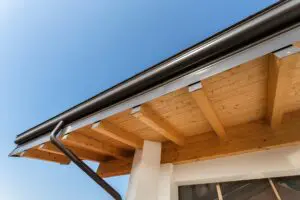
- Soffit attic ventilation allows fresh air to enter beneath the roof overhang. These vents should remain clear of insulation and debris.
- Ridge vents run along the roof peak and allow warm air to escape continuously. When paired with soffit vents, they’re one of the most effective ventilation systems for Minnesota homes.
- Gable vents are installed on the ends of the attic and are common on many older Twin Cities homes. While they can improve airflow, they generally aren’t as effective as a balanced ridge-and-soffit system.
Active Ventilation — Powered and Solar Attic Fans
An attic ventilation fan uses electricity to pull hot air from the attic. These systems can work well on homes with complex roof designs or limited ridge ventilation. However, they must be properly sized to avoid drawing conditioned air from inside the home.
Solar attic ventilation fans operate similarly but use solar panels instead of household electricity. While they can reduce energy use during sunny weather, their performance naturally decreases during cloudy Minnesota winters when ventilation is still important.
How to Know Which System Your Home Has Now
You can perform a basic visual inspection using a flashlight from inside your attic. Look for open soffit baffles near the roof edge, a continuous ridge vent at the roof peak, or gable vents on the ends of the attic.
If you’re unsure whether your system is working correctly, our team can evaluate your existing ventilation and recommend the right roof exhaust vent options for your home.
And, if you’re wondering, “How much ventilation does an attic need?” we can provide a free inspection and estimate.
5 Common Attic Ventilation Mistakes Homeowners and Contractors Make
Here are five of the most common ventilation mistakes that can reduce attic airflow and lead to costly damage.
-
Blocking soffit vents with insulation
Adding insulation without protecting the soffit openings will prevent air from entering the attic.
-
Mixing ridge and gable vents
Using multiple exhaust systems together can interrupt proper airflow. A balanced system typically performs better than adding more vents.
-
Installing a powered fan without enough intake
A powerful attic ventilation fan needs enough fresh air to enter the attic. Without adequate intake, the fan can reduce efficiency and increase energy costs.
-
Treating insulation and ventilation as separate projects
Insulation and ventilation work together to protect your roof and indoor air quality. When planning upgrades, it’s best to evaluate both systems at the same time.
-
Adding more exhaust without increasing intake
Many homeowners assume that more roof vents automatically improve airflow. In reality, proper attic ventilation depends on balancing the intake and attic exhaust vent so that air moves evenly.
Protect Your Roof With Proper Attic Ventilation
Proper ventilation helps protect your roof, improve energy efficiency, and reduce the risk of moisture damage, mold, and ice dams. If you’ve noticed any of these warning signs, don’t wait until minor ventilation issues turn into expensive roof repairs.
For over 60 years, American Eagle Home Improvement has helped homeowners throughout Minneapolis–St. Paul improve roof performance with trusted attic insulation and ventilation services. If ventilation issues have already caused roof damage, we also offer emergency roof repairs to protect your home.
Contact us today to schedule a free attic ventilation inspection and estimate.
Frequently Asked Questions
How do I know if my attic has enough ventilation?
Attic ventilation requirements vary based on your home’s size and other factors. Balanced roofing ventilation includes both intake and exhaust vents sized for your home’s attic. If you notice blocked soffit vents, missing roof vents, ice dams, or excess moisture, schedule a professional inspection to determine whether your system is working properly.
Can poor attic ventilation cause mold?
Yes. When warm, humid air becomes trapped inside the attic, moisture can collect on the roof decking and framing. According to the EPA, mold can begin growing within 24–48 hours under damp conditions. Without quick remediation, it can severely damage wood, insulation, and indoor air quality.
What causes ice dams on a Minnesota roof?
Ice dams form when heat escaping into the attic warms the roof, causing snow to melt and refreeze near the colder roof edge. Proper roofing ventilation helps keep the roof temperature more consistent, reducing the risk of ice dam formation during Minnesota winters.
Should I use a ridge vent or an attic-powered attic fan?
For many Minnesota homes, a ridge vent paired with adequate soffit attic ventilation provides effective, maintenance-free airflow. Homes with complex roof designs or limited ridge space may benefit from a powered attic fan, but the system should always be properly designed to maintain balanced airflow.
How much does it cost to fix attic ventilation in the Twin Cities?
The cost to fix an attic ventilation system depends on the condition of your current system and the improvements needed. Simple fixes, such as clearing blocked soffit vents, typically cost less than adding ridge vents or installing a new powered ventilation system. A professional inspection can identify the most effective solution for your home.
Schedule an Attic Ventilation Inspection Today
Not sure whether your attic has the right balance of intake and exhaust ventilation? Our team can inspect your current system for blocked vents, moisture buildup, poor airflow, and other warning signs that may be affecting your roof and home comfort.
For more than 60 years, American Eagle Home Improvement has helped Twin Cities homeowners protect their homes with practical recommendations, quality workmanship, and solutions designed for Minnesota weather.
Schedule your attic ventilation inspection today.